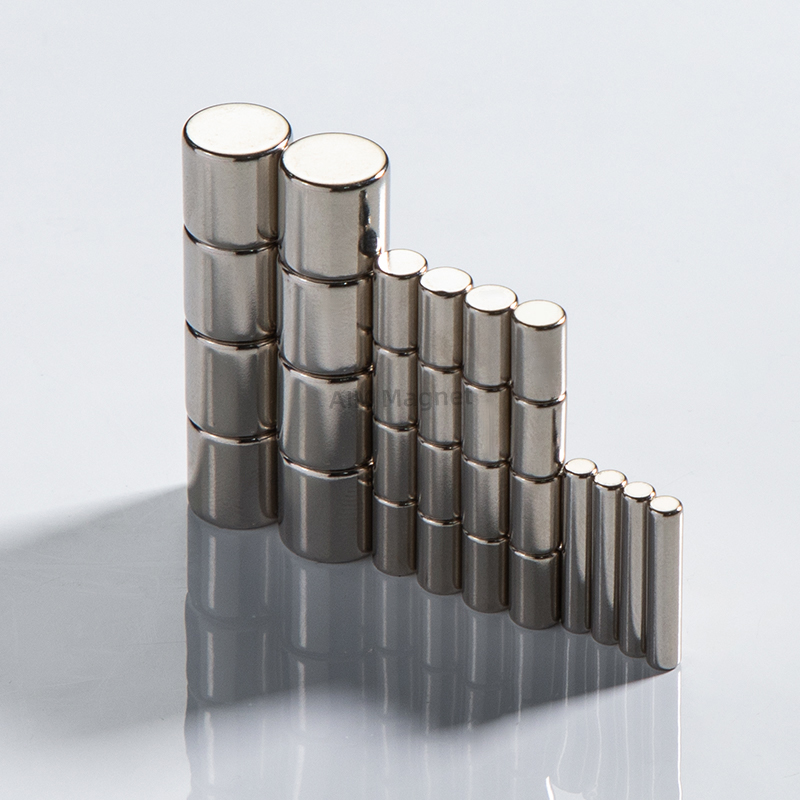
NdFeB magnets, also known as neodymium magnets, are among the strongest permanent magnets available today. Composed of neodymium, iron, boron, and small amounts of other elements, these rare earth magnets have revolutionized countless industries, from electronics to renewable energy. However, as the demand for these powerful magnets continues to soar, so does the need for sustainable practices to manage their end-of-life cycle. Recycling NdFeB magnets not only helps conserve valuable rare earth resources but also reduces environmental impact, making it a crucial component of the circular economy. In this blog, we will explore the latest methods and advancements in NdFeB magnet recycling, with a focus on direct reuse protocols, innovative recovery techniques, and the role of policies in driving this initiative.
Direct reuse protocols for end-of-life sintered magnets
Sintered NdFeB magnets are widely used in various applications due to their exceptional magnetic properties. When these magnets reach the end of their useful life, direct reuse can be a highly efficient way to extend their lifespan and minimize waste. Direct reuse involves refurbishing or repurposing the magnets without significant processing, making it a cost-effective and environmentally friendly option.
High-energy ball milling to recover Nd₂Fe₁₄B grains
One of the key challenges in direct reuse is ensuring that the recycled magnets retain their magnetic properties. High-energy ball milling has emerged as a promising technique to recover Nd₂Fe₁₄B grains from end-of-life sintered magnets. This process involves grinding the magnets into fine particles using high-energy ball mills, which breaks down the material while preserving the integrity of the Nd₂Fe₁₄B grains.
The high-energy ball milling process works by subjecting the magnets to intense mechanical forces, causing them to fracture into smaller particles. The resulting powder consists of Nd₂Fe₁₄B grains, which can then be reprocessed and consolidated into new magnets. This method is advantageous because it allows for the recovery of high-quality grains that can be used to produce magnets with properties comparable to those made from virgin materials.
AIM Magnet, a leading neodymium magnet supplier with 18 years of experience, has been at the forefront of exploring such innovative recycling techniques. With a focus on sustainability, the company recognizes the importance of recycling in reducing the reliance on virgin rare earth materials. Their state-of-the-art facilities, equipped with over 300 machines, enable them to experiment with and implement advanced recycling processes, including high-energy ball milling, to recover valuable Nd₂Fe₁₄B grains.
Industrial-scale challenges: Sorting and pre-treatment bottlenecks
While direct reuse and high-energy ball milling show great potential, scaling these processes to industrial levels presents several challenges, particularly in sorting and pre-treatment. End-of-life NdFeB magnets come from a wide range of sources, including electronics, automotive components, and renewable energy systems. These magnets are often mixed with other materials, such as metals, plastics, and adhesives, making sorting a complex and time-consuming task.
Sorting end-of-life magnets requires efficient methods to separate NdFeB magnets from other materials. Traditional sorting techniques, such as manual sorting, are labor-intensive and not feasible for large-scale operations. Automated sorting systems, using magnetic sensors and eddy current separators, have been developed to address this issue. However, these systems can be expensive and may not be able to distinguish between different types of magnets with high accuracy.
Pre-treatment is another critical bottleneck in industrial-scale recycling. Before the magnets can be processed, they need to be cleaned, demagnetized (in some cases), and stripped of any non-magnetic materials. Demagnetization is particularly important for safety reasons, as strong neodymium magnets can attract other metals and cause injuries. However, demagnetizing large quantities of magnets efficiently is challenging, and improper demagnetization can affect the quality of the recovered grains.
AIM Magnet, as a one-stop solution provider, understands the importance of overcoming these challenges. The company's extensive experience in handling large-scale production, with an annual capacity of up to 500 tons, has given them valuable insights into efficient material processing. They are continuously investing in research and development to improve sorting and pre-treatment techniques, ensuring that their recycling processes are both efficient and cost-effective.
Policy push: EU Critical Raw Materials Act implications
Policies and regulations play a crucial role in driving the adoption of recycling practices for NdFeB magnets. The EU Critical Raw Materials Act, introduced to ensure a secure and sustainable supply of critical raw materials, including rare earth elements, has significant implications for the recycling of NdFeB magnets.
The Act aims to increase the EU's self-sufficiency in critical raw materials by promoting recycling and reducing reliance on imports. It sets targets for the recycling of critical materials, including rare earth elements, and encourages the development of innovative recycling technologies. For NdFeB magnet recycling, this means increased investment in research and development, as well as the establishment of a more robust recycling infrastructure.
The EU Critical Raw Materials Act also emphasizes the importance of circular economy principles, encouraging manufacturers to design products with recyclability in mind. This could lead to changes in the way NdFeB magnets are used in products, making them easier to recover and recycle at the end of their life. For example, manufacturers may use detachable magnet components that can be easily separated from other materials during recycling.
AIM Magnet, with its global presence and commitment to innovation, is well-positioned to respond to these policy changes. The company's focus on producing high-performance neodymium magnets and magnetic application components aligns with the goals of the EU Critical Raw Materials Act. By incorporating sustainable practices into their production and recycling processes, AIM Magnet is contributing to the development of a circular economy for NdFeB magnets.
In conclusion, recycling NdFeB magnets is essential for conserving rare earth resources and reducing environmental impact. Direct reuse protocols, such as high-energy ball milling, offer promising ways to recover valuable Nd₂Fe₁₄B grains. However, industrial-scale recycling faces challenges in sorting and pre-treatment, which require ongoing innovation and investment. Policies like the EU Critical Raw Materials Act are driving the adoption of recycling practices, creating opportunities for companies like AIM Magnet to lead the way in sustainable magnet production and recycling. By embracing these new methods and policies, we can boost the circular economy and ensure a sustainable future for NdFeB magnets.