

What Makes Neodymium Magnets So Strong? A Complete Guide for Everyday Use
What Makes Neodymium Magnets So Strong? A Complete Guide for Everyday Use
Introduction to Neodymium Magnets
What Are Neodymium Magnets?
Neodymium magnets, also recognized as NdFeB magnets, stem from a blend of neodymium, iron, and boron, resulting in a powerful type of rare-earth magnet. Remarkably, these magnets offer the highest magnetic energy density among permanent magnets available today, allowing them to create strong magnetic fields even in compact sizes.
Historical Background of Neodymium Magnets
Neodymium magnets were first discovered in the early 1980s by General Motors and Sumitomo Special Metals. Since then, the development of manufacturing processes like sintering and alloying has refined their production, making them accessible for various applications.
Importance of Neodymium Magnets in Modern Applications
Today, neodymium magnets play an integral role across multiple sectors, from electronics and automotive industries to medical technology. They are vital for energy-efficient technologies—such as electric motors, generators, and sensors—highlighting their significance in our modern-day living.
Understanding the Strength of Neodymium Magnets
Composition of Neodymium Magnets
The exceptional strength of neodymium magnets largely hinges on their unique composition. The intermetallic compound Nd2Fe14B comprises neodymium, iron, and boron, brought together in a lattice configuration that enhances magnetic properties. The specific ratios of these metals influence performance characteristics, where n-eodymium represents 29%-32.5%, iron 63.95%-68.65%, and a small component of boron.
The Role of Crystal Structure
Neodymium magnets feature a tetragonal crystal structure that establishes high magnetic anisotropy. This arrangement allows magnetic domains within the magnet to align effectively, leading to a powerful magnetic field. Their high coercivity—the ability to resist demagnetization— is also attributed to this crystalline structure.
Magnetic Saturation and Coercivity Explained
Two critical factors—magnetic saturation and coercivity—decide a magnet's strength. Magnetic saturation refers to the maximum level of magnetization achievable, while coercivity indicates a magnet's ability to retain its magnetic properties against external forces. Neodymium magnets excel in both factors, making them some of the most potent magnets on the market.
Applications of Neodymium Magnets
Common Uses in Consumer Electronics
Neodymium magnets are ubiquitous in consumer electronics. They are essential in devices like hard drives, smartphones, and audio equipment, significantly improving their performance and efficiency. For instance, they help create clear audio in headphones and microphones, making your listening experience truly immersive.
Industrial Applications of Neodymium Magnets
In industry, these magnets are used in various applications, including:
- Electric Motors: Enhancing efficiency and helping convert electrical energy to mechanical energy.
- Magnetic Separators: Removing ferrous contaminants in food processing and mining.
- Lifting Equipment: Facilitating the safe and effective movement of heavy metal objects.
Neodymium Magnets in Medical Technology
The medical field leverages neodymium magnets for devices like MRI machines, enabling precise imaging capabilities. Their strength also contributes to magnetic therapy equipment, providing various health benefits as claimed by users.
Factors Contributing to High Magnetic Strength
Manufacturing Techniques
The manufacturing process of neodymium magnets is critical in determining their quality and strength. Techniques such as powder metallurgy and precise sintering help achieve the desired magnetic properties. Each processing step is tightly monitored—from alloying to cooling—ensuring optimal magnet performance.
Alloy Composition and Its Impact
The alloying of neodymium with metals like dysprosium or praseodymium can improve a magnet's thermal stability, leading to better performance in high-temperature applications. This characteristic is crucial in automotive and industrial uses, where heat may be generated.
Advantages Over Other Types of Magnets
Compared to ceramic or ferrite magnets, neodymium magnets offer superior strength and size efficiency. Their broad application scope, resilience to demagnetization, and exceptional durability make them a practical choice for many technologies.
Product Spotlight: Neodymium Magnetic Products
Rod Magnet Overview
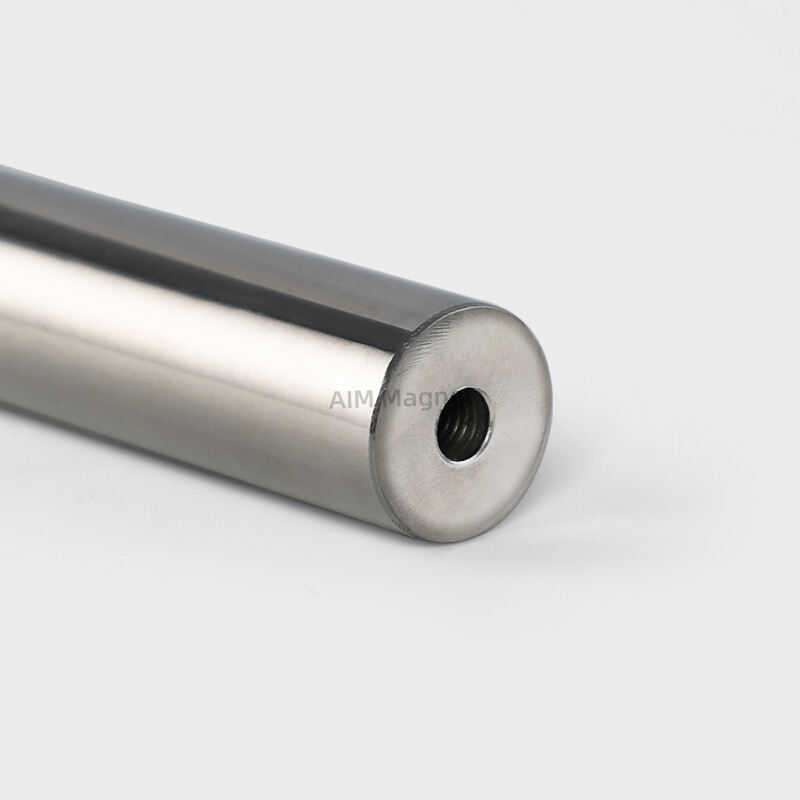
- Features: High Magnetic Strength, Versatile Design, Durable Construction
- Applications: Food Processing, Pharmaceuticals, Chemical Processing
To learn more about rod magnets, visit the Rod Magnet Product Page.
Features and Applications of Fishing Magnet

- Features: Impressive Pulling Force, Rust-Resistant Coating
- Applications: Magnet Fishing, Salvage Operations
Discover fishing magnets on the Fishing Magnet Product Page.
Power Bank MagSafe Magnet Benefits

- Features: MagSafe Compatibility, Powerful Magnetic Attachment
- Applications: Charging MagSafe Devices
Visit the Power Bank Magsafe Magnet Product Page for details.
Comparison of Different Neodymium Products
Neodymium magnets come in various sizes and shapes, there are options for different applications, making them not only versatile but also customisable. Take a look at various neodymium magnet types available on the market to find the one that meets your needs.
Care and Maintenance of Neodymium Magnets
Best Practices for Storage and Handling
- Store neodymium magnets in a dry environment to prevent corrosion.
- Keep them away from electronic devices, as their magnetic field can cause interference.
- Use a protective casing if storing them in a multi-magnet configuration to avoid unintentional attraction.
How to Avoid Demagnetization
- Avoid exposing the magnets to extreme heat, as high temperatures may compromise their magnetic properties.
- Implement precautions against physical shocks or hits, which can disrupt their magnetic alignment.
Recycling and Disposal of Neodymium Magnets
When disposing of neodymium magnets, consult your local recycling facility for proper disposal methods. Some centers accept magnets for recycling while emphasizing responsible recycling practices to minimize environmental impact.
Conclusion: The Future of Neodymium Magnets
Innovation in Magnet Technology
As technology progresses, the development of neodymium magnets is expected to intensify. Research is underway to produce eco-friendly magnets, which will enhance not only performance but also contribute responsibly to environmental sustainability.
Sustainable Practices for Neodymium Magnet Use
Encouraging the recycling and proper disposal of neodymium magnets can minimize ecological footprints while still enjoying their benefits. Sustainable practices in sourcing and manufacturing will play a critical role in future innovations.
Final Thoughts on the Importance of Neodymium Magnets
The significance of neodymium magnets in both everyday applications and advanced technological uses cannot be overstated. As industry demands grow stronger, so does the need for reliable and powerful magnets. The exploration of neodymium magnets continues, unlocking new potentials for various fields and improving our modern existence.
FAQ
1. Why are neodymium magnets so strong?
Neodymium magnets combine a unique alloy of neodymium, iron, and boron and feature a high magnetic energy product, which enables them to produce strong magnetic fields despite their small size.
2. Are neodymium magnets safe?
Yes, neodymium magnets are generally safe for humans when handled responsibly. However, it is crucial to keep them away from electronic devices and small children due to their strong attraction force.
3. How can I enhance the strength of a neodymium magnet?
You can enhance the performance of neodymium magnets by optimizing their size, shape, and orientation for specific applications.
4. Can neodymium magnets lose their magnetism?
Yes, exposure to extreme heat, strong external magnetic fields, or physical damage can lead to loss of magnetism. However, they can maintain their properties in normal conditions for decades with proper care.
5. What is the best way to dispose of neodymium magnets?
Contact your local recycling center for guidance on disposal practices. Some facilities may accept magnets for recycling, while others may require special handling.
Exploring the world of neodymium magnets opens doors to understanding their remarkable capabilities and contributions to modern technology!